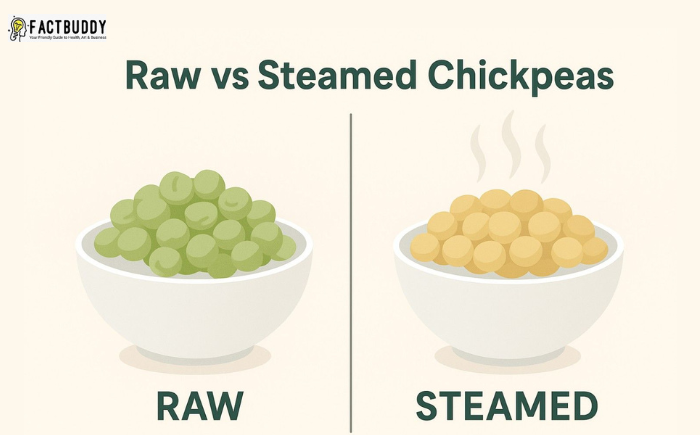
Raw vs Steamed Sprouts
Raw vs Steamed Sprouts: Which is Healthier?
During the monsoon season, the body’s immunity decreases, and digestion becomes weaker. That’s why people become extra cautious about what to eat during this time. In the list of healthy foods, sprouts or germinated seeds always stay at the top. Packed with protein, vitamins, minerals, fiber, and antioxidants, sprouts qualify as a true superfood. But the question remains—Raw vs Steamed Sprouts, which option is healthier and better for digestion?
Benefits and Risks of Raw Sprouts
Eating raw sprouts means enjoying a crunchy, fresh, and nutrient-rich food. They contain Vitamin C, Vitamin K, B-complex vitamins, magnesium, calcium, potassium, and powerful antioxidants. Their natural enzymes improve digestion and keep the body hydrated. The high fiber content in raw sprouts also supports weight management and gut health.
However, raw sprouts come with some risks. The warm and humid conditions used for sprouting also allow harmful bacteria like Salmonella and E. coli to grow. Eating raw sprouts may increase the risk of foodborne illness, especially for children, pregnant women, elderly people, and those with weak immunity. Washing them thoroughly reduces but does not completely remove these bacteria. Some people also experience digestive issues such as bloating, acidity, or indigestion after eating them.
Advantages of Steamed Sprouts
Steaming destroys harmful bacteria and makes sprouts safer to eat. At around 160°F (70°C), heat kills pathogens like Salmonella and E. coli. Steamed sprouts turn softer, which makes them easier to chew and digest—ideal for people with sensitive stomachs.
Although steaming reduces some heat-sensitive vitamins like Vitamin C, it preserves most essential nutrients such as protein, fiber, and minerals. In fact, steaming improves nutrient bioavailability, allowing the body to absorb vitamins and minerals more effectively. Many people also prefer the taste of steamed sprouts, and you can easily add them to salads, stir-fries, soups, or curries.
Balancing Nutrition and Safety
Sprouting reduces anti-nutrients like phytic acid, which improves mineral absorption. Cooking speeds up this process even further. For people who struggle with nutrient absorption, steamed sprouts often work best. On the other hand, those with strong digestion can choose raw sprouts to maximize enzymes and vitamins.
Which is Better—Raw or Steamed Sprouts?
Your body and health condition should guide your choice. Raw sprouts deliver more vitamins, antioxidants, and enzymes but also carry a higher risk of bacterial contamination. Steamed sprouts lose a small amount of nutrition but remain much safer, easier to digest, and more suitable for sensitive stomachs.
Final Words
Sprouts in any form give you a strong dose of protein, vitamins, minerals, and antioxidants. If you want maximum nutrition and handle raw foods well, choose raw sprouts—but always follow strict hygiene. If safety, taste, and easy digestion matter more, steamed sprouts are the better choice. Either way, including sprouts in your diet will boost your health and overall wellness.