Top Health Benefits of Raw Nuts
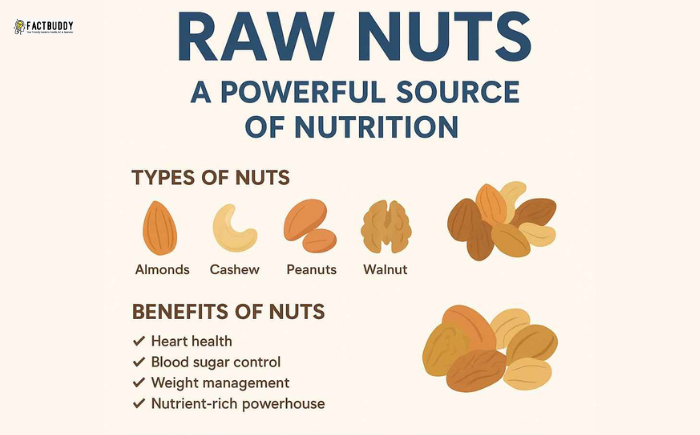
Raw Nuts — A Powerful Source of Nutrition
Health Benefits of Nuts are truly remarkable — in fact, raw nuts are one of the richest sources of nutrition. They contain a high amount of protein, vitamins, fiber, healthy fats, and essential minerals that support weight management, brain function, and heart health.
Nutrition and Health Benefits of Nuts
Heart Health
Nuts are rich in polyunsaturated and monounsaturated fats, plant sterols, and fiber that help reduce bad cholesterol levels and lower the risk of heart diseases. This makes them excellent for improving overall cardiovascular health.
Blood Sugar Control
Furthermore, nuts provide healthy fats and fiber, and because of their low glycemic index, they help control blood sugar levels and lower diabetes risk
Weight Management
Moreover, the protein and high fiber content in nuts help you stay full for longer, preventing overeating and assisting in weight management.
Nutrient-Rich Powerhouse
Raw nuts are packed with protein, fiber, magnesium, selenium, vitamin E, unsaturated fats, and other essential minerals that make them a powerhouse of nutrition.
Antioxidant Protection
Nuts contain natural antioxidants like polyphenols and vitamin E that fight against free radicals, reduce oxidative stress, and protect cells from damage.
Brain Health
Some nuts, such as walnuts, are excellent for brain health. They are rich in omega-3 fatty acids and antioxidants, which improve memory, focus, and cognitive function.
Digestive Health
Nuts support the growth of beneficial gut bacteria. The high fiber in nuts promotes a healthy digestive system and regular bowel movements.
Benefits of Nuts for Skin
Interestingly, nuts play a vital role in skin care. The vitamin E found in them helps minimize wrinkles, enhance skin tone, and keep your skin radiant.
When to Eat Nuts
- Since nuts are calorie-dense, portion control is important. Moreover, adults should consume around 30 grams of nuts daily to maintain a balanced diet
- Nuts can be eaten any time of the day — on an empty stomach, in the morning, or in the evening.
- For better digestion and nutrient absorption, soak nuts overnight in water and eat them the next morning on an empty stomach.
how to eat
- Add them to oatmeal, yogurt, or salads for extra crunch and nutrition.
- Eat raw nuts as a healthy snack option.
- Use them as a garnish or in baking and cooking.
- Blend nuts into smoothies for a creamy and nutritious drink.
Side Effects of Nuts
- Eating too many nuts may cause bloating, indigestion, or gas.
- Nuts contain phytic acid, which can reduce the absorption of minerals like calcium and iron.
- Some people are allergic to peanuts or other nuts, which can lead to severe allergic reactions such as breathing problems, skin rashes, or even anaphylaxis.
- Nuts are high in fat and calories, so excessive intake can lead to weight gain.
- Overconsumption of any food, including nuts, can cause excess calorie and fat buildup, which may harm your overall health.
Useful Tips
- If you have digestion issues, soak nuts overnight and eat them in the morning on an empty stomach.
- Eat nuts in moderation — generally a handful or less than 50 grams per day.
- Combine nuts with other fiber-rich foods like fruits and vegetables for better digestion.
- Avoid nuts if you have any nut allergies.
- Eat a variety of nuts like almonds, cashews, peanuts, etc., to get a balanced range of nutrients.
Final Thoughts
Nuts are a natural source of protein, healthy fats, fiber, and antioxidants that offer countless health advantages. However, moderation is key. Eating a handful of nuts daily can support your heart health, brain function, skin glow, and digestion, while excessive intake may lead to side effects like bloating or weight gain.
Incorporate them smartly into your diet to enjoy the full benefits of nuts every day.