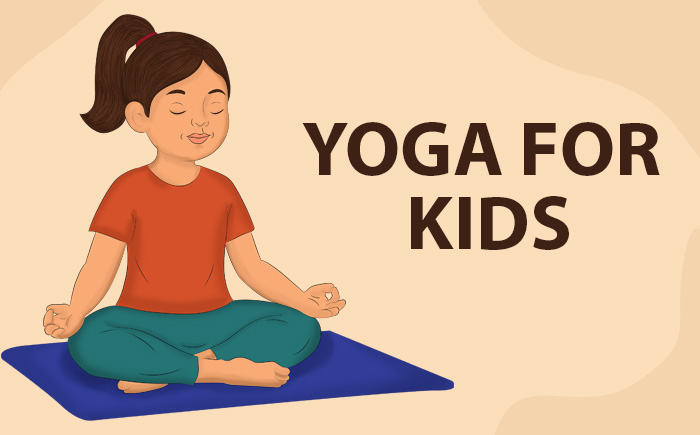
In today’s world, it’s not just academics that children need — it is equally important to take care of both their physical and mental health. So benefits of yoga for kids In modern life, yoga for children has become essential to support their mental and physical development. From an early age, yoga can help build both body and mind, making it an effective and healthy habit that every parent should consider for their child.
Indeed the foundation of a healthy life begins in childhood. This is when the body starts to develop, and so does the mind. Moreover, in this journey of development, yoga can play a vital role. Regular yoga practice for kids makes their body flexible and strong, improves muscle strength, and promotes overall growth.
Not only that, but different yoga asanas for kids help calm the mind, increase concentration, and reduce stress — which is extremely important in today’s competitive academic environment. Through yoga, children also develop a positive outlook, self-confidence, and self-control. It even contributes to height growth. So along with a healthy lifestyle and balanced diet, dedicating a little time each day to yoga can ensure all-round development in children.
Moreover, yoga is beneficial for all age groups — and children are no exception. It’s not just for adults. Experts say that practicing yoga from an early age helps children stay physically fit and also teaches them discipline, focus, and direction in life.
If yoga is incorporated into a child’s daily routine from a young age, it builds a strong foundation for the future. Yoga helps in both physical and mental development. So let’s take a look at some of the best yoga poses for children that promote growth and well-being, along with their steps and benefits.
Steps: Lie on your back then bend your elbows to lift your chest, creating an arch. Tilt your head backward so that it touches the floor and keep your arms beside the body or hold your toes.
 Benefits:
Steps: Lie on your back and bend your knees. Keep your feet flat on the ground and hands beside the body then slowly lift your hips, keeping your shoulders and head on the mat.
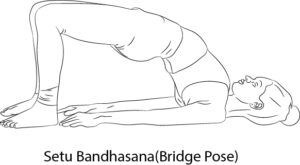
Benefits:
Steps: Stand with your legs apart. Extend both arms sideways, bend toward the right and touch your right ankle with your right hand, then raise your left arm upwards and gaze at it, hold at least few seconds.
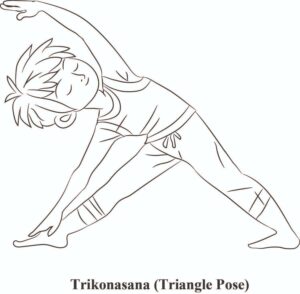
Benefits:
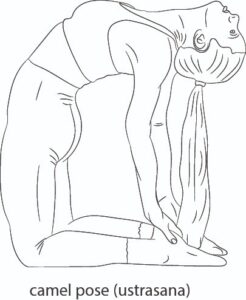
4. Ustrasana (Camel Pose)
Steps:
Kneel down and slowly bend backward to touch your heels with your hands then keep the waist straight and breathe deeply.
Benefits:
Steps: Come into a dolphin-like posture with elbows and hands on the ground, lifting legs up to form a “V” shape then keep your head down and hands interlocked.
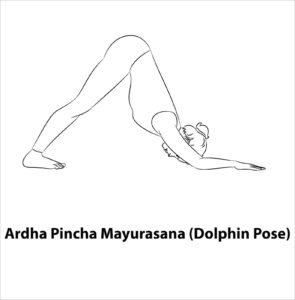
Benefits:
Steps: Lie flat on your back and lift both legs to a 45-degree angle then keep legs together and hold.
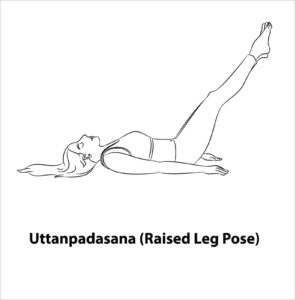
Benefits:
Steps: Sit on the floor with legs stretched. Lean back at a 45-degree angle then lift both arms and legs to form a boat-like posture.
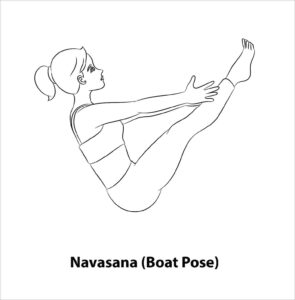
Benefits:
Steps: Lie on your stomach, bend your knees thrn lift your legs and grabbing your ankles with your hands to form a bow shape.
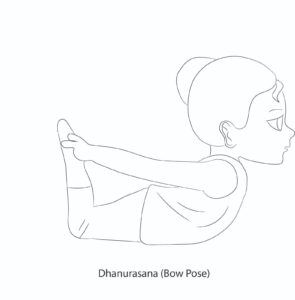
Benefits:
Steps: Lie on your back and bend your knees. Place your hands beside your head, palms facing downward then lift your hips and chest to form a circular, wheel-like posture.
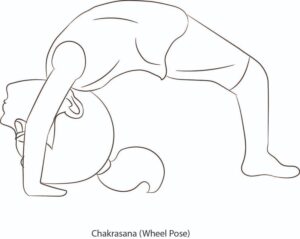
Benefits:
This pose is especially beneficial for improving lung function and the respiratory system. The pose mimics a snake and is thus called ‘Bhujangasana’.
Steps:
Ask your child to lie face down. Place palms beside the shoulders then lift the upper body slowly, keeping the lower half on the ground. Hold for a few seconds and release.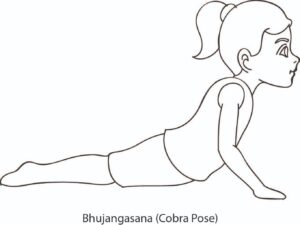
Benefits:
Regular practice of Bhujangasana improves breathing control, body flexibility, and self-regulation. Children can easily perform this pose playfully, which increases their interest in yoga.
Among the many benefits of yoga for kids, improved concentration and emotional regulation stand out, especially in school-age children.
To keep children interested in yoga, make it a fun activity. Avoid making it feel boring or forced. Children love play, music, pictures, and stories — so teach yoga through fun games, songs, or cartoons to keep them engaged.
You can also find wonderful Bengali and English videos on YouTube by searching “Yoga for Kids” — children can watch and follow them easily.
Nowadays, children face rising mental pressure, lack of focus, and various health issues. If we instill healthy habits from a young age, they can grow into more confident, calm, and strong individuals. Yoga helps regulate both body and mind, creating a solid foundation for life.
When taught as a form of play, children enjoy yoga and gradually make it a part of their daily life. Just a few simple daily yoga poses for kids can keep them physically fit, mentally fresh, and more focused on their studies.
Parents should take the time to encourage their children and include yoga in their daily routine. So don’t wait — start introducing yoga to your child’s life today!
Aliqu justo et labore at eirmod justo sea erat diam dolor diam vero kasd