Benefits of Eating Mushroom
Benefits of Eating Mushroom
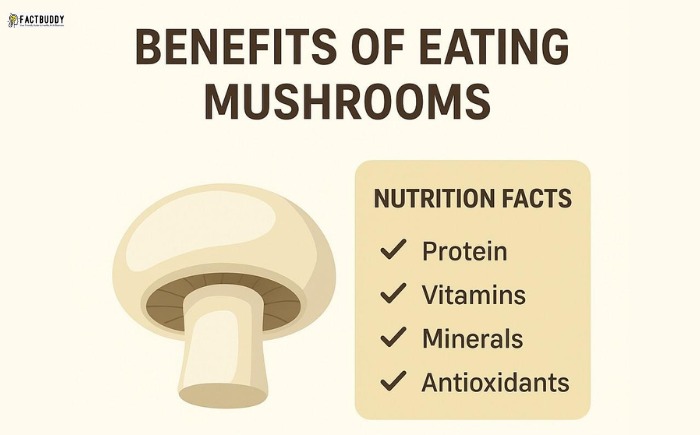
Benefits of Eating Mushrooms are not only valued for their taste but also widely recognized for their health and nutritional benefits. Their mild, meaty texture and flavor can enhance any dish. However, the true power of mushrooms lies in their nutritional profile. Rich in protein, vitamins, minerals, and antioxidants, this fungus provides multiple health benefits. Regular consumption of mushrooms can help reduce the risk of cancer, support heart health, prevent cellular damage, and boost immunity. Additionally, mushrooms play an essential role in promoting bone, brain, and skin health. Naturally low in calories and sodium, mushrooms can easily fit into any diet. In the United States, the popularity of mushrooms is growing; an average American consumes about three pounds of mushrooms annually.
What Are Mushrooms?
Although many people consider mushrooms a vegetable, they are actually fungi. Mushrooms function somewhat like the fruit of a plant—they do not produce seeds but reproduce through tiny spores located under their caps. Specifically, these spores can grow on soil, inside the soil, or on any organic material.
Native to North America and Europe, mushrooms are especially known for their delicate flavor and meaty texture. From a nutritional perspective, mushrooms are highly valuable as they contain essential vitamins, minerals, and antioxidants. These properties make mushrooms an excellent addition to your diet, enhancing both taste and nutrition in your recipes.
Different Types and Varieties of Mushrooms
There are approximately over one million species of fungi worldwide, but not all are edible. Only a few species are used in human diets. Mushrooms vary in size, color, and flavor, which makes their culinary use diverse.
- Common varieties: White button mushrooms are the most popular, while cremini or baby bella mushrooms are widely used globally.
- Other popular varieties: Portobello, shiitake, porcini, maitake, chanterelle, enoki, morel, and oyster mushrooms. These varieties are excellent for adding flavor and nutrition to a wide range of recipes.
Mushroom Nutrition Facts
While the nutritional content varies by species, all mushrooms are low in calories, low in fat, and high in protein, making them an ideal food. The vitamins, minerals, and antioxidants in mushrooms help boost immunity, strengthen bones, and support heart health.
Per 100 grams of mushrooms:
- Calories: 22 kcal
- Protein: 3.1 g
- Fat: 0.3 g
- Carbohydrates: 3.3 g
- Fiber: 1.3 g
- Sugar: 1.7 g
- Vitamin D: 0.1 µg
- Vitamin B2 (Riboflavin): 0.4 mg
- Vitamin B3 (Niacin): 3.7 mg
- Vitamin B5 (Pantothenic acid): 1.5 mg
- Vitamin B7 (Biotin): 2.5 µg
- Selenium: 13.9 µg
- Copper: 0.3 mg
- Potassium: 318 mg
Health Benefits of Mushrooms
1. Cancer Prevention
Studies show that consuming just 18 grams of mushrooms daily can reduce cancer risk by up to 45%. Mushrooms contain ergothioneine, a powerful antioxidant that protects cells from damage and free radicals. Shiitake, oyster, maitake, and king oyster mushrooms are particularly rich in this compound, boosting immunity and reducing the risk of cancer.
2. Mushroom Benefits for Skin
Mushrooms act as natural antioxidants for the skin, maintaining moisture and reducing dryness and irritation. Bioactive compounds and vitamins in mushrooms enhance skin radiance and reduce signs of aging. Tremella mushrooms, in particular, stimulate collagen production, keeping skin firm, smooth, and youthful. Consequently, regular consumption or topical use of mushrooms can make your skin glowing and healthy.
3. Mushroom Benefits for Hair
Mushrooms are extremely beneficial for hair. Vitamins, proteins, minerals, and biotin nourish hair roots, reduce breakage and hair fall, and promote new hair growth. Snow mushrooms retain hair moisture and softness, shiitake improves scalp health, and reishi regulates excess DHT hormone, which may cause hair loss. Oyster and chaga mushrooms provide antioxidants and proteins that protect hair and reduce scalp inflammation. Consequently, regular consumption ensures strong, thick, and shiny hair.
4. Digestive Health and Gut Support
Mushrooms support normal digestive processes. Additionally, their natural fiber helps maintain regular bowel movements and prevent constipation. Additionally, prebiotic compounds in mushrooms promote the growth of beneficial gut bacteria, maintaining a healthy microbiome and improving digestion. Polysaccharides and other compounds strengthen gut defense, enhancing nutrient absorption and overall digestive health.
5. Brain Health and Cognitive Support
Mushrooms enhance brain function. Antioxidants like ergothioneine and selenium reduce oxidative stress and inflammation in the brain. Lion’s mane mushrooms specifically stimulate nerve growth factor (NGF) production, aiding brain cell growth and repair. Regular mushroom consumption improves memory, focus, and overall neurological function.
6. Rich Source of Nutrients
Mushrooms are low in calories but rich in vitamins and minerals. They contain B vitamins such as riboflavin, niacin, and pantothenic acid, which support energy production and brain health. In addition, minerals like selenium, copper, and potassium aid antioxidant defense, heart health, and immune function. Moreover, compounds like beta-glucans and ergothioneine enhance immunity and antioxidant activity.
7. Antioxidant Protection
Mushrooms provide antioxidant protection against free radical damage. Moreover, ergothioneine maintains cellular health and protects the nervous system.Regular mushroom consumption supports long-term health and longevity.
8. Boosting Immunity
Beta-glucans in mushrooms increase immune cell activity, protecting the body from infections. Selenium also plays a crucial role in reducing inflammation and supporting immunity. Consequently, regular consumption strengthens the immune system, reduces common colds, and keeps immunity active for longer
9. Mushroom Benefits for Women
Mushrooms are particularly beneficial for women’s health. They help maintain hormonal balance and may alleviate PMS and menopausal symptoms. Additionally, regular consumption supports bone health, boosts immunity, and maintains energy levels.Mushrooms also aid in weight management and promote gut health, improving overall wellness.
10. Mushroom Benefits for Men
For men, mushrooms support prostate health, increase energy, and maintain bone health. They strengthen the immune system, provide antioxidants, and assist in weight management. Consequently, regular consumption enhances resistance to infections and boosts daily strength and stamina.
11. Weight Management
Benefits of Eating Mushroom include excellent support for weight loss due to their low-calorie, low-fat, and high-fiber content. Fiber promotes fullness, reducing overeating, while protein helps maintain muscle health. Mushrooms are water-rich, aiding hydration, and can serve as a low-calorie meat substitute. Additionally, antioxidants in mushrooms improve metabolism and reduce inflammation. Furthermore, consuming mushrooms in soups, salads, grilled dishes, or stir-fries supports effective weight management.
Side Effects of Mushrooms
Although generally safe, mushroom side effects depend on type, source, preparation method, concentration, and quantity. Marketed edible mushrooms are typically safe, but wild or unknown species should never be consumed.
Possible side effects:
- Digestive issues: nausea, diarrhea, stomach pain, excessive gas
- Nervous system effects: confusion, blurred vision, dizziness, delirium
- Other reactions: excessive sweating, increased saliva, irregular heartbeat
- Toxicity: organ damage, kidney or liver problems, severe cases can be fatal
- Mental effects: hallucinations, euphoria, fear, or confusion (from psilocybin-containing mushrooms)
- Allergic reactions: rashes, itching, or breathing difficulties in sensitive individuals
Precautions:
- Do not give wild or unknown mushrooms to children, pregnant women, or chronically ill patients.
- Some species may be toxic if not properly cooked.
- Avoid spontaneously collecting and consuming wild mushrooms.
- Seek medical attention immediately if any unusual symptoms appear after consumption.
Mushroom Recipes and Consumption
Mushrooms can be eaten in various ways, enhancing both nutrition and taste.
Ways to consume mushrooms:
- Cleaning & preparation: Brush off dirt or rinse quickly; avoid excessive water.
- Raw consumption: Slice or chop for salads.
-
Cooking:
-
Add to beef or chicken dishes
-
Add to omelets, quiches, pasta, or soups
-
Grilled or roasted:
-
Grill large mushrooms like portobello as a side dish
-
Roast mushrooms with a little oil, salt, and spices
- Stems are also edible and nutritious
- Use frozen or dried mushrooms for long-term storage and cooking
Extra tips:
- Avoid excessive oil when frying or roasting for healthy preparation
- Mushrooms pair well with other vegetables, grains, or proteins
- Cut into small pieces for children and elderly
Conclusion:
In conclusion, the Benefits of Eating Mushroom go far beyond their delicious taste. Mushrooms are nutrient-dense, low in calories and fat, and packed with potassium, selenium, and other essential minerals that support overall health. They improve digestion, boost immunity, enhance brain function, and promote bone and heart health. While marketed mushrooms are generally safe, wild ones can be toxic. Whether eaten raw, cooked, or added to recipes, including mushrooms in your diet offers both flavor and exceptional health benefits.