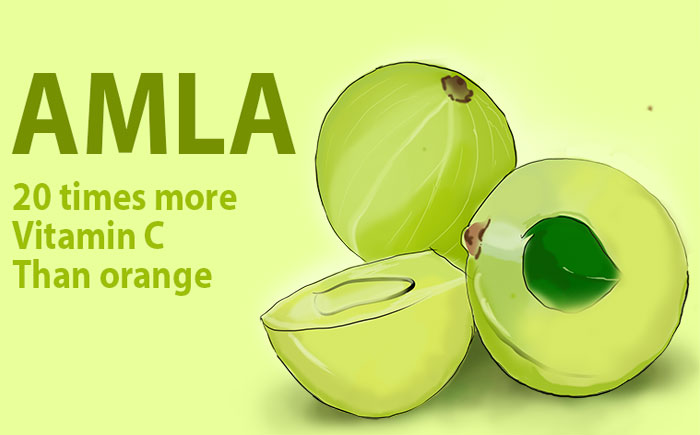
Health Benefits of Amla
Amla (Emblica officinalis), also known as Indian gooseberry or dhatri fruit, is a nutrient-rich superfood with remarkable health benefits. For thousands of years, it has held a prominent place in the ancient Ayurvedic medicine system of the Indian subcontinent, where it is often referred to as the “fruit of life” for its extraordinary healing and rejuvenating properties.
To begin with, this small, round, green fruit has a distinct sour taste and is packed with vitamin C, antioxidants, and essential minerals. In Ayurveda, Amla is considered a tridoshic fruit, meaning it helps balance the three doshas — Vata, Pitta, and Kapha — making it beneficial for nearly every body type.
Regular consumption of Amla is believed to boost immunity, slow the aging process, enhance digestion, and improve skin health. It is equally renowned for promoting strong, thick, and naturally lustrous hair while preventing premature graying. Amla also supports heart health, aids in weight management, and helps detoxify the body by flushing out harmful toxins.
Whether eaten fresh, dried, as juice, or in powdered form, Amla remains a powerhouse of wellness in every form. In the following sections, we’ll explore the most powerful and science-backed benefits of Amla for your overall health.
In Ayurveda, Amla is referred to as “Rasayana”, meaning – something that rejuvenates the body. It not only supports the body but also helps maintain balance in the mind and soul.
Nutritional Value and Active Ingredients
One raw Amla contains approximately:
- Vitamin C: 20 times more than an orange
- Iron
- Calcium
- Phosphorus
- Vitamins A, E, B1, B2
- Carotene, Fiber
- Gallotannin and Ellagic acid — powerful antioxidants
- Polyphenols, Flavonoids, and Alkaloids
These ingredients make Amla a complete natural health tonic.
Amazing Health Benefits of Amla
1. Strengthens the Immune System
Moreover, the Vitamin C in Amla increases white blood cells in the body and builds resistance against infections, making this one of the major health benefits of Amla.
2. For Skin and Hair Beauty
Amla is packed with antioxidants that help prevent skin aging, while adding a natural glow and softness to the skin. It also reduces hair fall, promotes thickness, and maintains natural blackness. Additionally, Amla helps treat dandruff and scalp infections, making it a powerful remedy for both hair and skin health.
3. Aids Digestion
In addition, Amla helps in the production of digestive enzymes, reduces acidity, and relieves constipation — making it a great choice in regular Amla uses.
4. Controls Diabetes
Glycosides and fiber increase insulin sensitivity and help control blood glucose levels — another crucial Amla benefit.
5. Supports Heart and Blood Pressure
Moreover, Amla reduces bad cholesterol and boosts good cholesterol, helping lower the risk of heart attack and stroke.
6. Helps in Weight Loss
Amla boosts metabolism and promotes fat burn, while also controlling appetite. Amla juice for weight loss and Amala for weight loss are popular natural remedies.
7. Improves Memory and Concentration
Additionally, the neuroprotective elements in Amla keep the brain active and reduce mental stress.
8. Maintains Eye Health
Moreover, Vitamin A and carotene in Amla preserve vision and prevent night blindness.
9. Purifies Blood and Increases Hemoglobin
Additionally, Amla detoxifies the body and helps in preventing anemia.
10. Supports Detoxification and Kidney Protection
Moreover, it acts as a natural diuretic and helps cleanse the kidneys of toxins.
11. Balances Women’s Health and Menstrual Cycle
Additionally, Amla helps regulate hormones and relieves menstrual irregularities and cramps.
Side Effects of Amla (Cautions)
Although Amla is natural and beneficial, excessive or improper use may cause certain issues.
1. Excess Consumption Can Cause Gastric Issues and Constipation
However, taking it on an empty stomach in high amounts may lead to acidity problems.
2. Excess Iron Levels
Therefore, those with high iron levels in the body should avoid regular intake.
3. Kidney Patients Should Be Cautious
High Vitamin C intake can increase the risk of kidney stones.
4. Drug Interactions
Avoid Amla if you’re on anticoagulants (like Warfarin), as it may interfere with the medication.
5. Allergy and Skin Reactions
Some people may experience itching or rashes.
6. Pregnant and Breastfeeding Women
Should consult a doctor before consuming Amla regularly.
How to Use Amla (Amla Uses)
In the morning on an empty stomach:
- 1 spoon of amla juice
- Amla powder mixed with warm water
For Hair Care (Amla benefits for hair):
- Use Amla oil regularly
- Apply Amla paste on the scalp, leave for 30 minutes, and wash
For Skin Care (Amla benefits for skin):
Mix Amla powder with honey or yogurt as a face pack
In Cooking and Beverages:
Amla pickles, preserves, lentils, vegetables, or amla juice for weight loss
Conclusion:
Amla is truly a miraculous fruit, offering a wide range of benefits for the body, mind, and overall well-being. From boosting immunity and improving skin health to strengthening hair and aiding digestion, its healing potential is remarkable. However, like any powerful natural remedy, proper usage and quantity are essential to ensure maximum benefits without side effects. As Ayurveda wisely says — The food or medicine that is used in the right dose is the real remedy. By incorporating Amla mindfully into your diet, you can enjoy its rejuvenating effects and embrace a healthier, more balanced lifestyle.