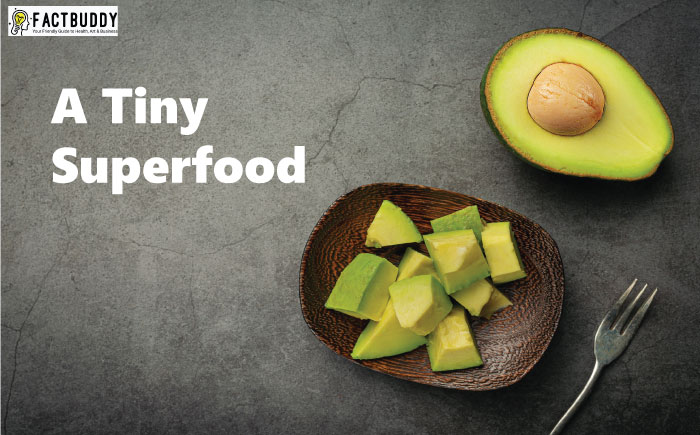
Health Benefits of Avocado
Avocado is one of the most talked-about fruits in today’s healthy food list. From trendy breakfast options like avocado toast to refreshing avocado smoothies—its popularity is truly eye-catching everywhere. But the real question is, what are the health benefits of avocado that make it a true superfood?
The secret actually lies in its avocado nutrition profile. With its creamy texture and mild flavor, this single-seeded fruit’s scientific name is Persea americana, which belongs to the Lauraceae family. Full of size, color, and variety, this fruit mainly grows in tropical climates. Consequently, after harvesting, it forms a smooth buttery texture, which is why in India it is popularly called ‘Makhanphal’ or butter fruit.
From a nutritional perspective, avocado is indeed a powerhouse. Furthermore, it contains healthy monounsaturated and polyunsaturated fats, which are considered good fats for the body. Regular consumption of avocado helps reduce bad cholesterol (LDL) while improving good cholesterol (HDL). It is also rich in vitamins B, C, E, K, along with folate, calcium, magnesium, and sodium. Indeed, packed with dietary fiber and antioxidants, avocado truly deserves its place among superfoods.
Avocado Nutrition Facts
- Healthy Fats: Monounsaturated and polyunsaturated fats, lowers LDL, raises HDL.
- Vitamins: B-complex, C, E, K.
- Fiber: About 4–5 grams per half fruit, aids digestion.
- Minerals: Folate, calcium, magnesium, potassium, sodium.
- Antioxidants: Protects cells and reduces inflammation.
Health Benefits of Avocado
1. Natural Inflammation Control
Avocado contains natural compounds that help reduce inflammation in the body. Specifically, it has omega-3 fatty acids, plant sterols, and other phytochemicals that improve joint health and control internal inflammation.
2. Healthy Weight Management
Thanks to its high fiber and low carbohydrate content, avocado keeps you full for a long time. Therefore, adding it to a diet plan helps reduce extra calories, making it effective for avocado for weight loss.
3. Supports Heart Health
Plant sterols in avocado help maintain healthy cholesterol balance. As a result, regular consumption prevents plaque buildup in arteries, reducing the risk of heart disease.
4. Blood Pressure Regulation
In addition, avocado is rich in potassium and other minerals that stabilize blood pressure, lowering the risk of heart attack and stroke.
5. Eye Health
With lutein, zeaxanthin, and vitamin A, avocado protects eye cells from UV damage and helps reduce age-related eye problems like macular degeneration.
6. Aids Digestion
Its high fiber content supports gut health, prevents constipation, indigestion, and other digestive issues.
7. Beneficial During Pregnancy
Being folate-rich, avocado is especially important for pregnant women. Additionally, it supports healthy fetal development and reduces the risk of neural tube defects.
8. Mental Well-being
Folate in avocado nourishes the brain and helps reduce depression. Moreover, it supports mood regulation and improves sleep quality.
9. Natural Detox and Gut Health
Additionally, fiber in avocado promotes healthy gut bacteria and helps eliminate toxins naturally.
10. Bone Health
Vitamin K in avocado boosts calcium absorption and maintains bone density, lowering the risk of osteoporosis.
11. Blood Sugar Control
Its fiber and nutrients help stabilize blood glucose levels and reduce the risk of diabetes.
12. Avocado Benefits for Skin
Rich in vitamin C, E, and fatty acids, avocado provides natural glow, moisturizes skin, and reduces signs of aging.
13. Cancer Prevention Support
Research suggests folate and antioxidants in avocado may help lower the risk of certain cancers.
How to Include Avocado in Your Daily Diet
Avocado is versatile and can easily be included in your everyday meals, enhancing both taste and nutrition. Here are some creative ways:
- Direct snack: Slice an avocado, sprinkle salt, black pepper, or herbs and enjoy it as a quick healthy snack.
- In salads: Mix chopped avocado with lemon juice, olive oil, salt, pepper, and a little vinegar for a light, nutritious salad.
- Avocado toast or cracker spread: Mash it and spread on toast or crackers with your favorite spices—perfect for avocado recipe for breakfast.
- Guacamole: Blend avocado with tomato, onion, cilantro, garlic, and lemon juice to make a creamy, refreshing Mexican-style side dish.
Avocado’s creamy, mild flavor makes it a great fit in salads, smoothies, sandwiches, or snacks. It also acts as a natural diuretic, reducing bloating by flushing out excess water. Additionally, potassium helps balance sodium levels, supporting fluid regulation in the body.
Conclusion
Avocado is a nutrient-rich and versatile fruit that supports many aspects of health. In fact, from heart health and digestion to glowing skin and strong bones, the health benefits of avocado are truly impressive. Regularly including it in your diet is easy and delicious—you can enjoy it as a snack, spread on avocado toast, or blend into smoothies.
However, since avocado naturally contains fats, it is important to eat in moderation. If you have long-term or specific health conditions, consult a doctor before adding new foods to your diet.