Health Benefits of Chia Seeds
In today’s busy life, we do so much to lose weight and stay healthy—following strict diet plans, working out for hours in the gym, and controlling our food intake. But did you know? A new name is becoming increasingly popular on the list of health benefits of chia seeds. These tiny seeds may look ordinary, but their benefits are truly extraordinary. For those who believe in natural ways to manage weight and beauty, chia seeds are a remarkable ingredient.
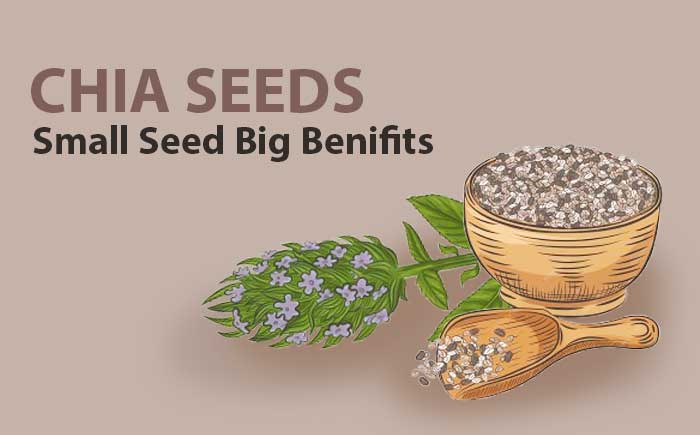
Chia seeds come from a plant called Salvia hispanica, which belongs to the mint family and originates from Mexico and Central America. In ancient Maya and Aztec civilizations, chia seeds were considered a “source of life energy.” In fact, the word “chia” means “strength.” And today’s science agrees—they weren’t wrong!
This alone proves how powerful this seed is.
Nutritional Value of Chia Seeds:
Chia seeds are rich in fiber, omega-3 fatty acids, antioxidants, calcium, magnesium, and protein. These components not only help with weight loss but also keep your stomach full longer, improve digestion, and boost metabolism. This shows why chia seeds nutrition is so highly valued.
But the health benefits of chia seeds don’t end there! Chia seeds for skin and hair are equally effective—they help retain skin moisture, reduce acne, and slow aging signs. When used topically, they can reduce dryness, wrinkles, and inflammation. That’s why chia seeds benefits for skin and hair are making them a favorite in natural beauty care as well. With low calories and high nutrition, chia seeds have become a key ingredient not only in diet but also in overall health and beauty.
So, why wait? Let’s explore how these small seeds can bring big changes to your life.
Nutritional Components in Chia Seeds:
- Fiber
- Omega-3 Fatty Acids
- Protein
- Calcium
- Magnesium
- Phosphorus
- Iron
- Zinc
- Potassium
- Antioxidants
- Vitamin B1, B2, B3
Chia Seeds Health Benefits:
1. Aids Digestion and Relieves Constipation
Chia seeds contain a high amount of fiber, which improves digestion and helps relieve constipation. They help cleanse the intestines and keep the digestive system active. For those suffering from digestive issues, chia seeds for digestion can be a daily natural solution.
2. Strengthens Bones
Chia seeds are rich in calcium, magnesium, and phosphorus—three nutrients essential for bone health. Just 28 grams of chia seeds provide around 10 grams of fiber and significantly improve bone strength.
3. Controls Blood Sugar Levels
Since chia seeds digest slowly, they prevent sudden spikes in blood sugar. They also improve insulin sensitivity, making them helpful for diabetes control.
4. Improves Good Cholesterol, Reduces Bad Cholesterol
Chia seeds help increase HDL (good cholesterol) and reduce LDL (bad cholesterol), which supports heart health and reduces the risk of heart attack or stroke.
5. Helps Control High Blood Pressure
The antioxidants and chlorogenic acid in chia seeds are effective in lowering high blood pressure, making them a great natural remedy for people with hypertension.
6. Supports Weight Management
Because of their fiber and protein content, chia seeds reduce hunger and keep you full longer. This helps reduce overeating and makes it easier to control weight. For those asking how chia seeds help in weight loss, the answer lies in their appetite-suppressing power. You can also explore how to use chia seeds for weight loss by soaking them in water in the morning.
7. Brightens Skin and Reduces Acne
With their antioxidants and omega-3 fatty acids, chia seeds for skin bring a natural glow, reduce dryness and fine lines, and help fight acne.
8. Promotes Healthy Hair
Chia seeds are effective in reducing hair fall and strengthening roots. Their phosphorus, zinc, and protein content promotes strong hair structure and stimulates new hair growth. That’s why many recommend chia seed for hair health.
9. Reduces Risk of Heart Disease
Loaded with omega-3 and omega-6 fatty acids, chia seeds regulate blood pressure and prevent blood clotting, reducing the risk of cardiovascular diseases.
10. Boosts Immunity
With their antioxidant and mineral content, chia seeds improve your immune system, provide energy, reduce inflammation, and protect against cell damage—thus lowering cancer risk. These are key chia seeds daily benefits.
11. During Pregnancy
Chia seeds for pregnant woman are beneficial because of their omega-3 and folic acid content, which help in fetal development, weight control, and preventing birth defects.
Best Way to Eat Chia Seeds & Essential Precautions:
Now a popular part of many healthy diets, chia seeds must be consumed the right way. If not taken properly, they might do more harm than good.
Best Way of Eating Chia Seeds:
Chia seeds are tasteless and odorless, so they blend well with various foods. You don’t need to cook them—just soak them and they’re ready to eat. The best way to eat chia seeds is by soaking them in water or milk. This softens the seeds and aids digestion.
How to Soak Chia Seeds:
Add 1 teaspoon of chia seeds to 1 glass of warm or cold water and let it soak for 20–30 minutes until it becomes gel-like. Drink it once soaked.
Best time to eat chia seeds:
• On an empty stomach in the morning – helps digestion
• Before bedtime – detoxifies the body and improves sleep
• Before or after workouts – boosts energy
More Ways to Enjoy Chia Seeds:
- With smoothies: Mix yogurt, cucumber, and chia seeds to make a refreshing smoothie
- In fruit salad: Add soaked chia seeds over your favorite fruits
- In oats or pudding: Mix with milk or coconut milk and chill
- On cereal or cooked vegetables: Sprinkle over your meals
- In detox drinks: Combine with coconut water, lemon juice, and fruit juice for hydration
How Much Chia Seeds to Eat Daily?
- 1 to 1.5 tablespoons of chia seeds per day is sufficient
- Adjust according to your body’s needs and digestion
- Start small if you’re a beginner
- Consult a doctor for children and pregnant women
Disadvantages of Chia Seeds!
Despite the many chia seeds health benefits, excessive consumption can lead to issues:
- Eating dry may cause choking
- May cause gas, bloating, or diarrhea if over-consumed
- People with fiber intolerance may face digestive issues
- Allergies may trigger rashes or vomiting—discontinue immediately if symptoms occur
- Those on blood thinners should consult a doctor
- Can cause excessive weight loss and weakness if over-eaten
- May increase prostate and breast cancer risk if taken in large quantities
- May lead to low blood pressure, especially if you’re on medication
- Can dehydrate your body if not consumed with enough water
These are important disadvantages of chia seeds to consider.
Conclusion:
As people become more health-conscious, the demand for nutritious foods is rising. In recent times, the awareness of health has grown rapidly in our country. People now care not just about taste, but also about the nutritional value of their food. In this context, chia seeds have become a trusted part of healthy living. Though small in size, their chia seeds nutrition value is massive—omega-3, fiber, protein, calcium, and more.
Chia seeds are easy to eat and incredibly effective. When consumed regularly and properly, they improve digestion, control hunger, and help manage weight. They also enhance your skin and hair, energize your body, and bring a natural glow from within.
However, like all good things, chia seeds should be consumed in moderation. Excess or improper use may lead to side effects. So, the right amount and method are crucial.
Whether you’re a fitness enthusiast or someone who just wants to stay healthy, chia seeds are a simple, natural, and powerful companion. From digestion and skin to bones and heart—they work silently but effectively. Instead of expensive supplements, let this gift from nature be your source of strength.
Start today—make chia seeds a regular part of your diet and take a simple step toward a healthier life.