Foxtail Millet– A Superfood for Better Health
Health Benefits of Foxtail Millet!
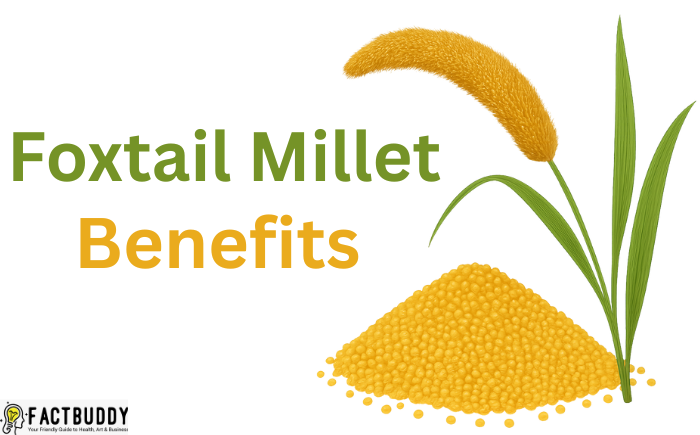
Health benefits of foxtail millet make it one of the most valued ancient grains. Also known as Kaon Dana (Setaria italica), foxtail millet is a gluten-free grain consumed for thousands of years. Furthermore, these tiny golden grains are rich in protein, fiber, vitamins, and minerals, making them a healthy alternative to rice or wheat. Across India, they are mainly cultivated in Karnataka, Andhra Pradesh, Telangana, Tamil Nadu, Maharashtra, and Madhya Pradesh, as they grow easily even in dry land.
Foxtail Millet History
Interestingly, historians suggest that around 8,000 years ago, evidence of the first cultivation of foxtail millet was found in Xishan, on the banks of the Yellow River in China. Since then, the grain has been widely consumed in different regions of Asia, especially in India and China, as a staple food. In ancient times, warriors and kings often relied on millet-based foods to gain strength. Even today, South India celebrates its value with foxtail millet recipes prepared during festivals like Pongal and Navratri.
Foxtail millet nutritional value per 100g:
- Energy: ~331 Kcal
- Protein: 12.3 g
- Fat: 4.3 g
- Carbohydrates: 60.9 g
- Dietary Fiber: 8 g
Main Minerals: Calcium, Iron, Magnesium, Phosphorus, Potassium, Sodium, Zinc, and Manganese.
Vitamins: Vitamin A, Vitamin B-Complex, Vitamin E, and Folic Acid.
Foxtail Millet Health Benefits
1. Stronger Bones and Muscles
Foxtail millet is rich in calcium and iron, which are essential for bone and muscle development. Regular consumption not only reduces the risk of osteoporosis, arthritis, and spondylitis but also strengthens teeth and joints naturally.
2. Nervous System Support
Being gluten-free and packed with Vitamin B1 (0.59 mg per 100g), this millet improves brain function, boosts oxygen supply, and helps prevent neurodegenerative diseases such as Parkinson’s and Alzheimer’s.
3. Heart Health Benefits
This grain aids in producing acetylcholine, a neurotransmitter that supports both nerves and heart function. Thanks to its high protein and low carbohydrate content, it is considered a heart-friendly food.
4.Diabetes Control
Since its glycemic index is only 50.8, foxtail millet is considered safe for diabetics. It keeps you full for longer, prevents blood sugar spikes, and regulates HbA1c and lipid profile.
5.Cholesterol Reduction
The amino acids lecithin and methionine in foxtail millet reduce excess liver fat and lower bad cholesterol. Threonine also helps prevent fatty liver disease.
6.Foxtail Millet Good for Pregnancy
Foxtail millet is highly beneficial during pregnancy as it is rich in iron and folic acid, which prevent anemia and support fetal growth. It is also safe for women with gestational diabetes due to its low glycemic index. However, pregnant women should consult a doctor or nutritionist before dietary changes.
7.Foxtail Millet Benefits for Weight Loss
The amino acid tryptophan reduces hunger and prevents overeating. So i’ts high fiber content keeps the stomach full for a longer time, supports fat burning, and helps in calorie control, making it effective for weight management.
8.Better Digestion
Being gluten-free, it is suitable for people with celiac disease or gluten intolerance. It regulates bowel movement and prevents constipation, bloating, or indigestion.
9.Boosts Immunity
Rich in vitamins, minerals, and antioxidants, foxtail millet enhances immunity, helps fight infections, and aids recovery after illness.
10.Prevents Anemia
Due to its high iron content, foxtail millet is excellent for preventing and treating anemia naturally.
11.Foxtail Millet Benefits for Skin
Foxtail millet is loaded with Vitamin B6 and antioxidants that maintain natural skin glow, reduce oxidative stress, and delay signs of premature aging.
12.Foxtail Millet Benefits for Hair
It strengthens hair roots, reduces hair fall, and promotes healthy hair growth when included in the diet regularly.
Foxtail Millet or Rice – Which is Better in India?
Rice is a staple in most Indian households, especially in the form of cooked rice, dosa, or idli. However, rice has a higher glycemic index, which may increase the risk of diabetes and weight gain.
On the other hand, foxtail millet is gluten-free, highly nutritious, and healthier than white rice. In fact, in states like Andhra Pradesh and Karnataka, people prefer millet over rice for daily consumption.
That said, it is not necessary to completely replace rice. Instead, balancing both in your diet can be beneficial.
Foxtail Millet Uses and Recipes
Foxtail millet is a versatile grain that can be used in multiple ways:
- As a rice alternative – cooked like plain rice.
- Upma / Pulao – used instead of suji or rice.
- Pongal / Khichdi – with dal, veggies, and spices.
- Dosa & Idli batter – replacing rice.
- Kheer / Payasam – cooked with milk and jaggery.
- Rotis / Parathas – mixed with wheat flour.
- Cakes, Cookies, Muffins – using millet flour.
- Puffed millet snacks – like rice puffs.
- Soups & Salads – boiled and added for protein & fiber.
- Energy bars & Laddus – with jaggery and dry fruits.
- Sprouted millet – used in various healthy recipes.
Side Effects of Foxtail Millet
Although foxtail millet is healthy and generally safe, overconsumption may cause some issues:
1.Allergic Reactions – Some people may experience itching, swelling, or breathing issues.
2.Thyroid Problems – Contains goitrogenic substances that may affect thyroid function.
3.Digestive Issues – Excess fiber can cause bloating, gas, or constipation.
4.Kidney Stones – Contains oxalates that may worsen kidney stone conditions.
Precautions:
- People with thyroid or kidney issues should consult a doctor.
- Consume in moderation.
- Stop eating if allergic symptoms occur.
Conclusion:
Moreover, foxtail millet is an ancient, nutritious, and versatile grain that supports strong bones, heart health, digestion, immunity, and weight management. It is also excellent for women’s health, pregnancy, skin, and hair.
However, like all foods, it should be consumed in moderation. If you have specific health conditions, consult a doctor before adding it to your daily diet. When included as part of a balanced diet, foxtail millet benefits the body in multiple ways and can be a healthy addition to your lifestyle.