Health Benefits of Proso Millet
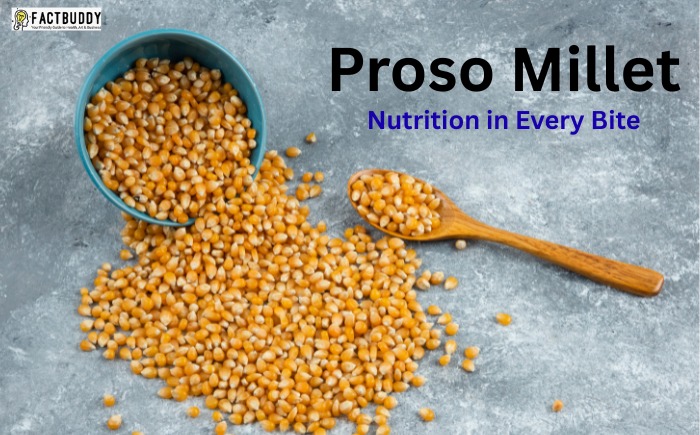
Proso millet (Paniceum miliaceum) is a type of small-seeded grain, also known as Cheena. Moreover, it is one of the oldest cultivated crops in the world. Proso millet is considered an ancient grain, even cultivated before wheat. Notably, this millet is highly drought-resistant and can grow well in semi-arid and less fertile soils. In addition, the Health Benefits of Proso Millet are remarkable, as it is a highly nutritious grain, rich in protein and other essential nutrients.
Proso Millet Nutrition (per 100 g raw proso millet):
- Carbohydrates: 68–75 g
- Dietary Fiber: 7–7.2 g
- Calories: 359–382 kcal
- Protein: 12–13 g
- Fat: 4%
- Calcium: 14–114 mg
- Phosphorus: 206 mg
- Magnesium: 114 mg
- Iron: 2.5–3 mg
Health Benefits of Proso Millet
1. Gluten-Free
Proso millet is a naturally gluten-free grain, making it suitable for people with gluten sensitivity or celiac disease.
2. Bone Health
Due to its high phosphorus content, proso millet supports bone strength and improves mineral density.
3. Heart Health
The potassium and magnesium in proso millet help relax blood vessels and improve blood circulation .Therefore, this supports healthy blood pressure and reduces the risk of stroke, heart attack, and atherosclerosis. I0ts fiber content also helpser cholesterol levels.
4. Blood Sugar Management
In fact, proso millet has a low glycemic index, which helps regulate blood sugar levels and supports diabetes management.
5. Digestive Health
Furthermore, being high in dietary fiber, proso millet promotes regular bowel movements and nourishes gut bacteria, supporting a healthy digestive system.
6. Antioxidant Properties
Moreover, rich in antioxidants, proso millet helps protect body cells from damage and lowers the risk of chronic diseases
7. Detoxification
In addition, the combination of fiber and antioxidants helps eliminate toxins from the body, supports liver health, and promotes natural detoxification
8. Weight Management
Proso millet is rich in protein and fiber while being relatively low in calories. As a result, it helps you feel full for longer, reducing overeating and supporting weight loss.
9. Cholesterol Balance
Proso millet prevents plaque buildup in the arteries and helps balance cholesterol levels, improving overall cardiovascular health.
Uses of Proso Millet
- Staple Food: Can be used as a substitute for rice or quinoa.
- Cooking: Suitable for preparing porridge, upma, and other healthy recipes.
- Baking: Can be used in baking bread, cakes, and cookies.
Precautions
1. Oxalates: Proso millet contains oxalates, which may increase the risk of kidney stones in sensitive individuals.
2. Goitrogens:In particular, it has goitrogenic properties that may interfere with iodine absorption, affecting thyroid health However, people with thyroid disorders should consume it with caution.
3. Digestive Issues: Additionally, its high fiber content may cause bloating, diarrhea, or gas in some people.
4. Phytic Acid: However, proso millet contains phytic acid, which binds with essential minerals like iron and zinc, reducing their absorption
5. Allergy Risk: In rare cases, some people may be allergic to millet seeds, leading to mild rashes or even severe reactions like breathing difficulty Therefore, if you have kidney stones, thyroid issues, or a grain/millet allergy, you should consult your doctor before adding proso millet to your diet.
Conclusion:
Therefore, proso millet is one of the most valuable ancient grains, packed with rich nutrition and multiple health benefits.. By including it in your diet, you can enjoy its advantages for bone health, digestion, heart care, weight management, and overall wellness.