
Yoga for Bronchitis Relief!
The air-carrying tubes inside the lungs are called bronchial tubes. When inflammation occurs in these tubes, it is called bronchitis. Moreover, there are two types of bronchitis—acute bronchitis and chronic bronchitis.
Generally, acute bronchitis occurs after a common cold or respiratory infection and heals within a few weeks. However, when irritation in the bronchial tubes continues for a long time, it turns into chronic bronchitis, which is a much more complicated condition. Consequently, people experience coughing, breathing difficulties, and chest tightness in this stage.
Yoga for Bronchitis Relief. In addition to medicines, some natural remedies—especially yoga for bronchitis and pranayama—play an important role in clearing the airways, strengthening the lungs, and keeping the body and mind relaxed. However, it is very important to consult a doctor and a yoga instructor before starting regular practice.
In fact, in acute bronchitis, nasal congestion, cold, and mild fever are common. Along with this, sore throat, body pain, chills, and difficulty in breathing may also appear.
In chronic bronchitis, symptoms are more severe—persistent cough with mucus, heaviness in the chest, breathing difficulties, and abnormal sounds while breathing.
Moreover, research has shown that regular yoga strengthens respiratory muscles, improves lung function, reduces breathing problems, and makes breath control easier. Additionally, alongside medicines, yoga poses for bronchitis can help keep the body healthy, strengthen the lungs, and improve breathing.
Here are some effective yoga poses:
How to do:
Lie on your stomach, place your palms beside your shoulders. Inhale, slowly raise your chest and waist while keeping your navel on the floor.
When to do:
In the morning on an empty stomach or 3–4 hours after a light meal.
Duration:
Hold for 15–20 seconds, repeat 3–4 times.
Benefits:
Expands the lungs, opens the chest, and makes breathing easier.
How to do:
Lie on your back, bend your knees, and keep your feet flat on the floor. With hands on the ground, lift your waist and chest upward.
When to do:
Morning or evening, on an empty stomach.
Duration:
Hold for 20–30 seconds, repeat 3 times.
Benefits:
Expands the chest, supports deep breathing, and strengthens the lungs.
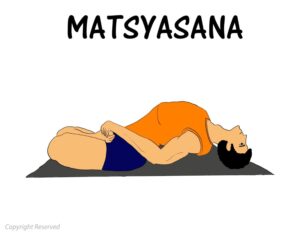
How to do:
Lie on your back, place both hands under your waist. Slowly lift your chest and head, keeping the crown of your head on the floor.
When to do:
In the morning after light stretching.
Duration:
Hold for 15–20 seconds, repeat 2–3 times.
Benefits:
Improves lung function and helps reduce mucus congestion.
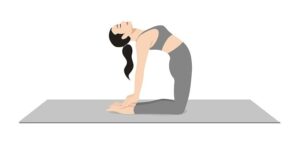
How to do:
Stand straight and gently bend your waist backward, keeping your hands on your waist or raised upward.
When to do:
In the morning on an empty stomach.
Duration:
Hold for 10–15 seconds, repeat 3 times.
Benefits:
Expands the chest, reduces breathing difficulties, and helps keep the airways clear.
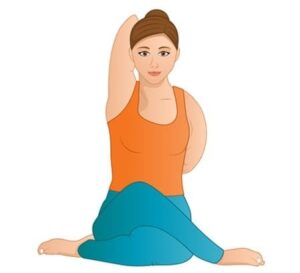
How to do:
Sit with legs crossed. Raise one arm upward and take the other arm behind your back, trying to clasp both hands.
When to do:
Anytime during the day, preferably on an empty stomach.
Duration:
Hold for 20–30 seconds, repeat 2–3 times.
Benefits:
Furthermore, it expands the chest and improves lung capacity.
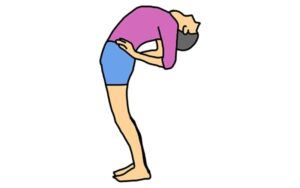
How to do:
Lie on your stomach, bend your knees, hold your ankles with your hands, and lift your chest and legs together.
When to do:
Morning after a light warm-up.
Duration:
Hold for 15–20 seconds, repeat 2–3 times.
Benefits:
Moreover, it increases oxygen supply to the lungs, reduces cough, and helps relieve breathing difficulties.
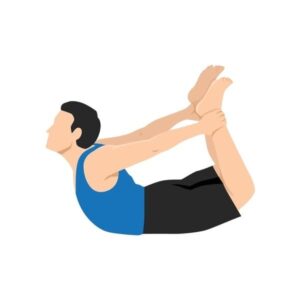
Yoga for Bronchitis Relief offers a natural way to ease breathing, strengthen the lungs, and reduce discomfort. With regular practice of gentle poses and breathing techniques, patients can improve respiratory health, boost immunity, and support long-term recovery without side effects.
Aliqu justo et labore at eirmod justo sea erat diam dolor diam vero kasd