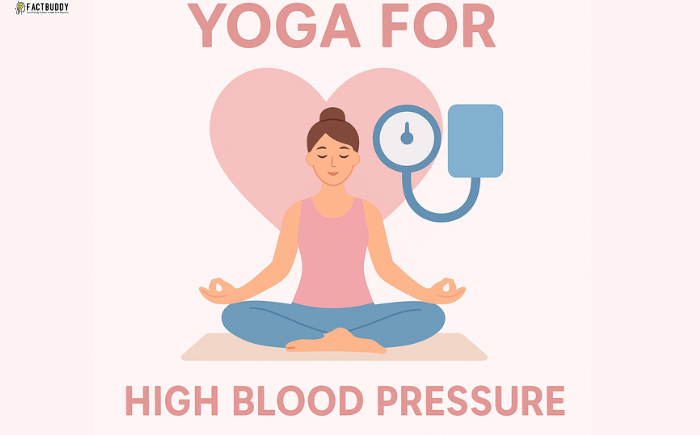
Yoga For High Blood Pressure
7 Yoga Asanas to Control High Blood Pressure
High blood pressure is a very common health issue worldwide today, increasing rapidly among not only the elderly but also the younger population. Irregular lifestyle, mental stress, unhealthy eating habits, and lack of physical activity are the main reasons why most people experience this problem. If blood pressure remains uncontrolled for a long time, the blood vessels become stiff, and the heart has to work harder than normal. Consequently, this puts extra pressure on the arterial walls and may lead to complications in the heart and other organs. Although taking medication as advised by a doctor is necessary, it is equally important to bring lifestyle changes rather than relying solely on medicine, and this is where Yoga For High Blood Pressure becomes a highly effective and natural solution.
Overall, regular yoga for high blood pressure helps keep the body calm, improves blood circulation, and reduces mental stress, all of which aid in controlling blood pressure. Therefore, health experts recommend including yoga asanas in daily life.
Why High Blood Pressure Happens
The causes of high blood pressure are not the same for everyone—it depends on various physical, age-related, and lifestyle factors. Some common risk factors are:
Additionally, family history, age, gender, and ethnicity affect the risk of high blood pressure. If someone in the family has this issue, the risk increases. Consequently, as age progresses, the elasticity of blood vessels decreases. Typically, middle-aged men are at higher risk, and women’s risk increases with age. Additionally, African or Black American populations are comparatively more prone to high blood pressure. Chronic kidney disease is also a significant cause of increased blood pressure.
Unhealthy lifestyle is another major reason for high blood pressure, such as:
- Lack of regular exercise
- Unhealthy diet
- Smoking
- Excessive alcohol consumption
- Overweight
- Mental stress
Although genetic or age-related factors cannot be changed, adopting a healthy lifestyle can help maintain blood pressure. This is where yoga for high blood pressure plays a vital role—it improves blood circulation, relaxes the body, and reduces mental stress, helping keep blood pressure normal.
How Yoga Helps Control Blood Pressure
Regular practice of yoga for high blood pressure can reduce blood pressure. Additionally, studies have shown that practicing yoga a few days a week gradually helps normalize blood pressure. In addition, breathing exercises and meditation along with yoga further enhance the results.
Moreover, one study found that even just one hour of yoga enhances the elasticity of blood vessels, which improves blood flow and lowers blood pressure.
However, if you have high blood pressure, you should consult a doctor before starting yoga, as some poses may not be suitable for everyone.
7 Yoga Asanas Helpful in Controlling High Blood Pressure
1.Vajrasana (Thunderbolt Pose)
- How to do: Sit on the floor with knees folded, keeping the heels under the buttocks. Keep your back straight and hands on your thighs.
- Duration: 5–10 minutes
- Benefits: Improves digestion, reduces excess belly fat, and helps regulate blood circulation.
2.Paschimottanasana (Forward Bend)
- How to do: Sit with legs straight, raise your hands overhead, then gradually touch your feet while keeping the back as straight as possible.
- Duration: 2–5 minutes
- Benefits: Reduces back and leg fat, relieves mental stress, and helps maintain normal blood pressure.
3.Balasana (Child Pose)
- How to do: Sit on your heels with knees folded, slowly bend forward. Place hands in front or beside, and rest your forehead on the ground.
- Duration: 1–3 minutes
- Benefits: Calms the mind, reduces stress, and regulates blood circulation.
4. Baddha Konasana (Butterfly Pose)
- How to do: Fold the legs and bring the soles of the feet together. Hold your feet with hands and keep your back straight.
- Duration: 2–5 minutes
- Benefits: Strengthens hip muscles, improves blood circulation, and soothes the nervous system.
5. Bhujangasana (Cobra Pose)
- How to do: Lie on your stomach with hands under shoulders. Slowly lift the chest while keeping elbows slightly bent.
- Duration: 20–30 seconds, 3–5 repetitions
- Benefits: Expands the chest and lungs, improves blood flow, and strengthens the heart.
6. Shavasana (Corpse Pose)
- How to do: Lie on your back with arms and legs apart, close your eyes, and focus on breathing.
- Duration: 5–10 minutes
- Benefits: Deeply relaxes body and mind, relieves stress and fatigue, and supports blood pressure control.
7. Sukhasana (Easy Pose)
- How to do: Sit cross-legged with a straight back. Place hands on the knees and close your eyes to meditate.
- Duration: 5–10 minutes
- Benefits: Provides mental peace, balances body and mind, and helps reduce blood pressure.
Conclusion
Regular practice of these yoga asanas keeps both body and mind healthy. Moreover, it improves blood circulation, reduces mental stress, and increases muscle flexibility, which helps control high blood pressure. Dedicate at least 20–30 minutes daily. However, consulting a doctor before starting is crucial to ensure safe practice according to your body’s condition.